


Ask any facilities manager when the drainage phone rings most and the answer is rarely July. Commercial flood claims and emergency call-outs cluster between October and February, when the season’s first named storms test every gutter, gulley and pump on site at once.
Very few of those failures are new. A downpipe overflowing since spring, a yard gulley packed with summer grit, a sump pump that last ran in March: each one waits for a heavy downpour to announce itself, usually at the least convenient hour.
That is why September matters. It is the cheapest and least disruptive window in the year to find those weak points and fix them on your own terms, at a scheduled price. This commercial drain maintenance guide sets out five jobs worth booking this month, the numbers behind them, and what your insurer will expect to see at renewal.
Dealing with a flooded yard, basement or plant room right now? Our engineers answer the 24/7 emergency line on 07825 228 829, every day of the year.
Why storm-season failures cluster on the same problems
Drainage that copes through a dry summer can fail in the first serious autumn downpour, and the reasons are consistent from one site to the next.
Capacity
A rainwater system under a light summer load will still run clear with a gutter half full of debris. When an autumn storm delivers a month of rain in a weekend, that same system needs every millimetre of pipe, and the margin disappears.
Compound load
A blocked gutter overflows onto the ground, the surface water runs to a gulley already choked with leaves, and the channel drain beside the loading bay backs up. Three small jobs left undone become one surcharge into the building.
Hidden plant
Sump pumps, lift pit pumps and packaged pumping stations sit unused for months at a time. Float switches stick, valves seize and batteries lose charge without anyone noticing, right up to the night they are needed.
The Met Office storm centre names the season’s storms from early September onwards, a useful reminder of how little time there is to get ahead of the weather.
The five things to schedule in September
These five jobs cover the failure points behind most of the winter drainage emergencies we attend at commercial premises across London, Hertfordshire and Bedfordshire, and most mid-size sites can have all five completed in one planned visit.
JOB 1 OF 5
Gutter and roof drainage clean
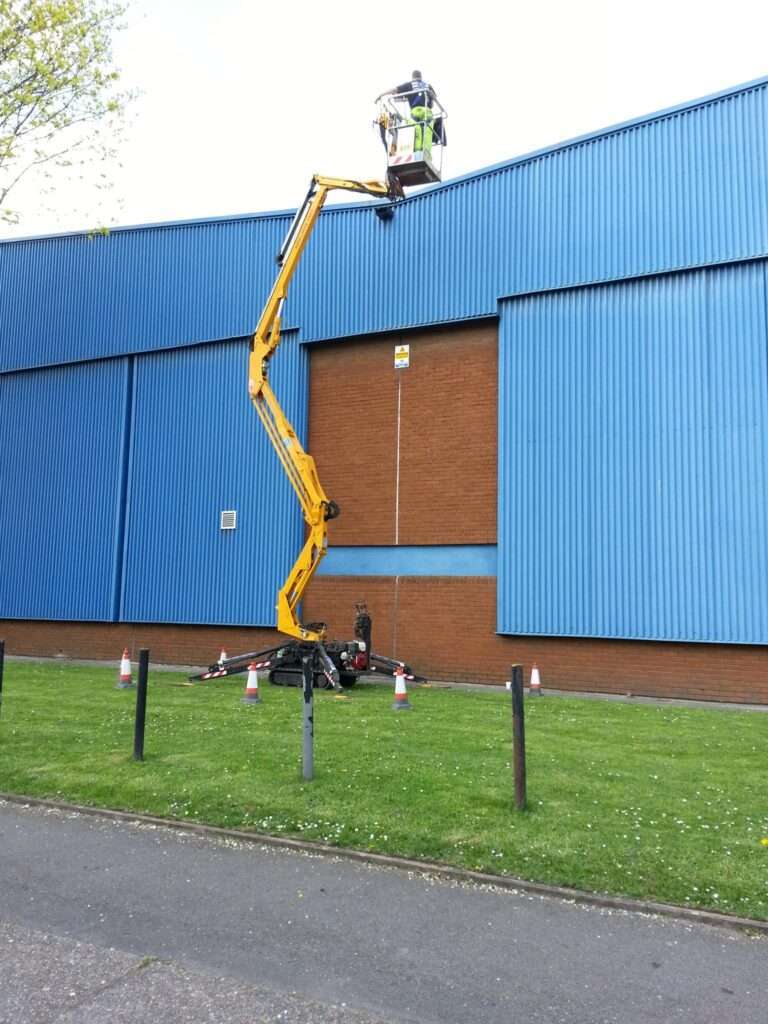
Roof drainage is the start of the chain, so it comes first. Summer leaves behind moss, seed heads, nesting material and wind-blown litter, and flat roofs collect it in the outlets where it does the most harm.
A proper clean covers every gutter, hopper and downpipe, with each downpipe flushed to confirm it discharges freely. Where downpipes connect straight into underground rainwater drains, a blockage below ground shows up as an overflowing gutter above, so the two need checking together.
Ask for photographs of every run before and after; they belong in the maintenance file. Our commercial gutter cleaning team works safely at height and gives a photo record as standard.

JOB 2 OF 5
CCTV survey of any drain with a history
If a drain appears on the incident log, it earns a camera inspection before winter. Repeat blockages at the same chamber, a slow-draining yard or a manhole that surcharged last year all point to a defect that clearing alone will not remove.
A CCTV drain survey shows exactly what is happening below ground and produces a WRc-graded report with recorded footage, which tells you whether a jet and clear will do or whether a lining repair should be scheduled before the ground is saturated.
A new tenant in the last twelve months, particularly a food operator, is another trigger for a baseline survey. If you are unsure how often your site should be inspected, our guide to commercial drain survey frequency sets out a risk-based schedule.
JOB 3 OF 5
Gulley and surface drain clearance
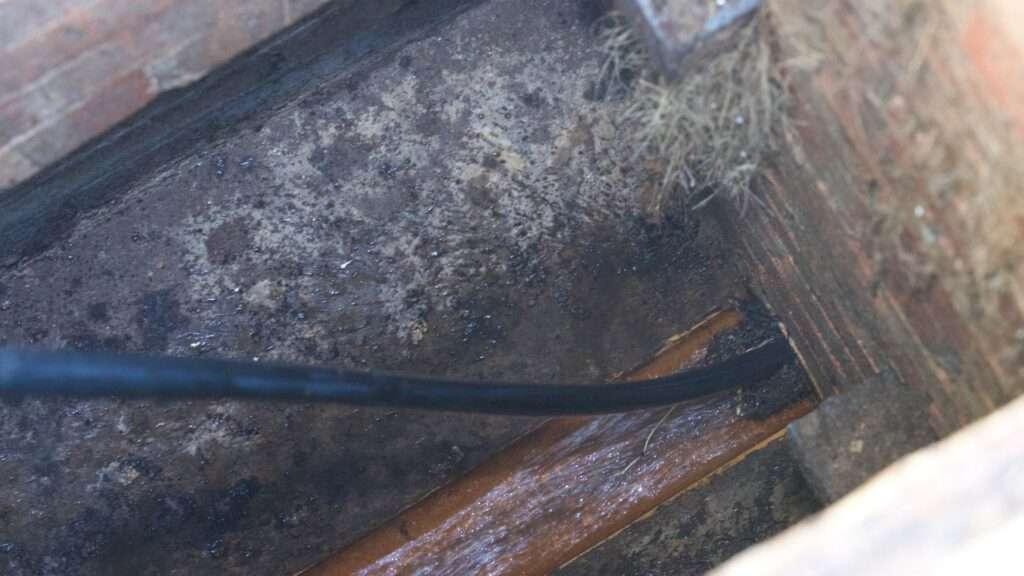
Yard gulleys and channel drains carry the highest volumes on most commercial sites, and they silt up gradually all year. Prioritise the runs that take the most water: car parks, loading bays, delivery yards and the drains outside pedestrian entrances.
Standing water at an entrance in November is a slip hazard and a liability claim waiting to happen, not just a drainage issue.
Each gulley should be emptied of silt and flushed through, with a note of any that refill quickly, which usually means a blockage further along the run. High-pressure drain jetting clears the connecting pipework at the same visit.

JOB 4 OF 5
Pump test
Any site with a basement, undercroft car park or plant room below the level of the public sewer relies on pumps to stay dry, and pumps need to be exercised.
A September test should run each pump under load, check the float switches move freely, confirm the non-return valve holds, and prove the high-level alarm actually reaches someone. Where a battery backup is installed, check its charge and age.
A pump that fails its test in September costs a service visit; a pump that fails in a storm costs a flooded basement and everything stored in it.
JOB 5 OF 5
Rat blocker and pest inspection
Autumn is peak migration season for rodents. As temperatures fall, rats move indoors, and the drainage system is their preferred route in.
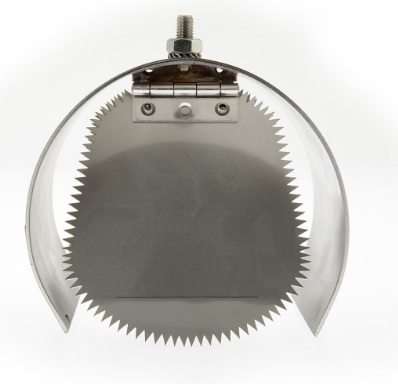
If your site has rat blockers fitted, they need checking for debris that could hold the flap open, and any damaged units replaced. If it has none, the inspection chamber serving the property is the place to consider one, especially on sites with kitchens, food storage or a history of activity.
Combining the check with the CCTV survey above means any broken pipe offering rodents a second way in is picked up at the same time.
Want a one-page version of this checklist for your site team? Email info@drain365.co.uk and we will send it over. To book your autumn maintenance window, call 0800 699 0922.
The cost case in plain numbers
Making the case for drainage in the maintenance budget is easier when the comparison is laid out clearly.
Scheduled visit
For a typical mid-size commercial building, a predictable four-figure cost, agreed in advance and delivered around your operating hours.
Storm call-out
Out-of-hours rates, then flood damage to stock and finishes, drying-out time and any closure. Five-figure totals are common, and one lost trading day can outweigh years of preventative spend.
Insurance effect
Documented planned maintenance supports lower premiums and smoother claims, while a flood on a site with no records invites questions about whether the loss was avoidable.
The September visit is simply the cheapest version of work you will otherwise pay for in December.
Building or refreshing a commercial maintenance plan
A one-off autumn clean is a good start, but sites that avoid winter emergencies year after year work to a simple annual cycle: gulley and surface drain clearance in spring, a CCTV survey in summer when access is easiest, the full pre-storm clean in September, and a winter readiness check that confirms the out-of-hours arrangements are current. Our commercial drain maintenance contracts follow that pattern, with visits scheduled around your trading hours and a report after every attendance.
For multi-site operators, the same checklist applied across every property gives you comparable records, a single contractor relationship and one number to call at 3am. Agree a documented response time for emergencies and keep an out-of-hours contact tree on both sides, so the person who spots the water knows who to ring and the engineer who answers knows who can authorise the work. We support portfolios across the capital, from single retail units to estates in West London and beyond.
What insurers want to see
Commercial insurers increasingly ask for evidence of drainage maintenance, and a claim goes far more smoothly when the file is already in order. Keep these together in one shared folder:
- The most recent CCTV survey report and footage, with the WRc grading for each run.
- A maintenance log with dates, work carried out and the engineer’s report reference for every visit.
- Incident records showing the time of each call, response time and how it was resolved.
- An up-to-date drainage drawing, from an as-built plan or survey mapping.
If your site has flooded before, or sits in an area flagged on the Environment Agency’s long-term flood risk map, a documented flood prevention plan alongside the maintenance file will carry real weight at renewal.
Tenant and contractor communications
The final September job costs nothing but a little time. Send tenants a short pre-winter note covering what to do if they spot a leak or standing water, where the stopcock is, and the number to call out of hours.
Put the same information on a notice in shared kitchens, plant rooms and loading areas, where problems are usually seen first. Make sure your contractor holds current site access details and the key holder list, so a 2am attendance is not delayed by a locked gate.
Frequently asked questions
How long does an autumn maintenance visit take?
Half a day to a full day for a typical mid-size building, depending on the roof drainage, the number of gulleys and whether pumps are on site. Larger estates are planned over several visits.
Can the work be done out of hours?
Yes. Most of our retail and hospitality maintenance is carried out before opening or after close, and yard work can be timed around deliveries.
What is the cheapest version of this checklist?
If budget only stretches to part of the list, the gutter clean, gulley clearance and rat blocker check give the highest return for most properties. The CCTV survey then becomes the priority for any site with a history of problems.
What does Drain 365 charge for an autumn maintenance package?
It depends on the site, so we give a fixed price after a short visit rather than a guess over the phone. There is no obligation.
Book your September window before the storms do
Five jobs, one planned visit and a predictable invoice, against an emergency call at the height of a storm with the basement filling. September gives you time to choose the first option, but only if the visit is in the diary before October arrives.
Call our friendly team free on 0800 699 0922 or send us a message through the contact form for a no-obligation site assessment and a fixed-price autumn maintenance plan.